
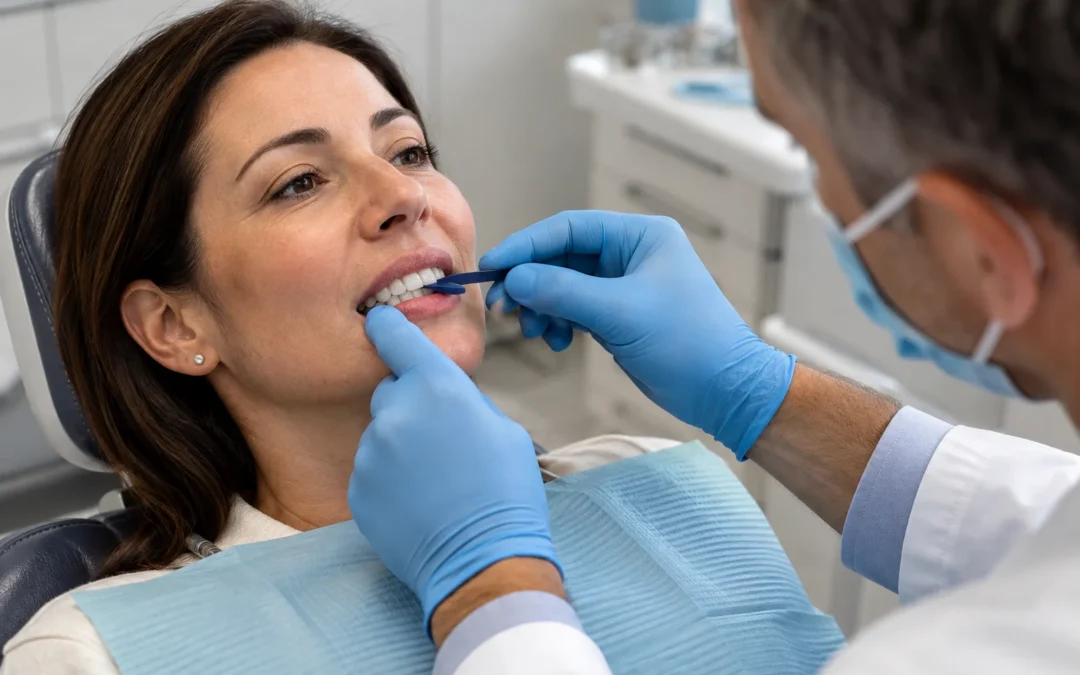
If you grind or clench your teeth, it is reasonable to wonder whether that habit makes dental implants a bad idea. Bruxism can put extra stress on teeth and dental restorations. Some people notice it during the day, while others only learn about nighttime grinding after a dentist points out wear or a sleeping partner hears it. That does not automatically rule out implant treatment, but it does give your dentist one more factor to plan around.
The practical question is not simply whether you grind your teeth. What matters is how the habit shows up in your mouth, how your bite is loading the teeth, what kind of implant restoration is being considered, and whether there is already evidence of damage from repeated force.
Grinding Does Not Automatically Rule Out Dental Implants
People with bruxism do receive dental implants. Grinding or clenching is better viewed as a treatment-planning issue than an automatic disqualifier because the level of risk can differ greatly from one person to another. A patient with light wear and no damaged restorations presents a different situation from someone who repeatedly fractures crowns or wakes with a sore, tired jaw.
Research does give dentists a reason to be careful. A 2024 systematic review and meta-analysis found a higher risk of implant failure in patients with probable bruxism than in patients without probable bruxism. A newer systematic review also linked bruxism with several mechanical complications involving implant-supported restorations. Those findings do not mean that every person who grinds will have an implant problem, but they do make the habit relevant to treatment planning. The risk has to be considered in the context of the individual patient rather than treated as a simple yes-or-no rule.
Why Bruxism Changes the Implant Plan
An implant-supported tooth has to tolerate the forces created every time you bite and chew. Grinding and clenching add repeated force outside normal eating, sometimes for long periods. That force can be directed across a single implant crown or shared by a larger restoration, depending on the case. The way the restoration meets the opposing teeth therefore matters just as much as how natural the finished tooth looks.
Implant planning in a patient with bruxism cannot stop at asking whether there is enough bone for an implant. The dentist also needs to think about the missing tooth’s location, the condition of the opposing teeth, existing wear patterns, and whether the patient’s bite already shows signs of overload. For larger implant cases, the way forces will be distributed across the restoration becomes part of the treatment design.
The goal is not to promise that a carefully planned implant can never chip, loosen, or fail. Instead, the aim is to identify avoidable stress before the restoration is made. That may influence the contour of the crown, how the bite is adjusted, the restorative material selected, or how the patient is followed after treatment. Some cases may call for additional protective measures once the restoration is in use. A plan built around the patient’s actual bite is more useful than treating bruxism as an afterthought.
How a Dentist Looks for Signs of Bruxism
Many people who grind at night have no memory of doing it. A dentist may notice flattened or worn biting surfaces, small chips, cracked teeth or restorations, or wear that seems heavier than expected. Jaw-muscle tenderness, morning tightness, headaches, and reports from a sleeping partner can add useful context. The dental history matters too, particularly if crowns or fillings have repeatedly chipped or broken. No single sign, however, tells the dentist exactly how much grinding is occurring.
The evaluation usually combines history with a clinical examination, and some people may need further assessment when sleep-related symptoms raise other concerns. For implant planning, the point is to build a realistic picture of the forces the future restoration is likely to face rather than relying on a simple label of “grinder” or “non-grinder.”
The Bite Matters as Much as the Implant Site
It is easy to focus on the surgical side of dental implants: bone levels, implant position, healing, and the condition of the gums. In a person who clenches or grinds, the way the finished implant crown meets the opposing teeth deserves equal attention. A bite that concentrates too much force on one spot can place extra demand on the restoration.
This is one reason the bite is checked after an implant crown or bridge is placed and may be rechecked later. Natural teeth and restorations can change over time, and the way they contact each other can change with them. An implant crown that felt well balanced when it was delivered should not be assumed to stay that way forever. If chewing begins to feel uneven or the implant crown suddenly seems to hit first, that change is worth mentioning.
The rest of the mouth can provide useful clues before treatment begins. Existing crowns that have chipped, teeth that have cracked, or a history of repeated repairs may suggest that the future implant restoration needs a more protective strategy from the start.
What a Night Guard Can and Cannot Do
A custom night guard may be recommended for some people who grind or clench while sleeping. Its main job is protection, not curing bruxism. The appliance creates a barrier between the teeth and can help manage how contact is distributed while a person sleeps. A dentist may want the guard made specifically for the patient’s bite and restorations rather than relying on a generic store-bought appliance. If an implant crown or bridge is added later, an older guard may need to be checked or remade so it still fits correctly and does not interfere with the new restoration.
If You Already Have an Implant and Grind Your Teeth
Bruxism is not only a pre-treatment issue. If you already have an implant, recurring grinding or clenching can make regular monitoring more important, especially if you have a history of chipped restorations or other signs of heavy bite forces. The implant area may feel completely normal even while a small mechanical problem is developing in the crown or a connecting component.
Pay attention to changes rather than repeatedly testing the implant with your tongue or fingers. A new clicking sensation, movement in the crown, or a noticeable change in the bite deserves an examination. Pain when chewing should also be checked rather than written off as “just grinding.” A chipped surface or a restoration that suddenly feels rough belongs on that list too.
Routine visits give the dental team a chance to look for patterns that are hard to judge at home, including changes in the restoration, bite contacts, surrounding tissues, and any protective appliance. Because bruxism and bite relationships can change over time, a plan that worked well several years ago may eventually need adjustment.
Questions Worth Asking Before Implant Treatment
If you know you grind your teeth, tell the dentist before treatment planning even if it has never caused you pain. Ask whether there are visible signs of bruxism, how your bite will be managed around the proposed implant, and whether the type of restoration changes because of the forces in your mouth. It is also worth asking whether a protective appliance is likely to be part of your long-term care. If you already wear a night guard, bring it to the appointment so the dentist can see how it fits and whether it will still work with the planned restoration.
The most useful implant consultation accounts for the way your mouth actually functions, not just the space where a tooth is missing. Bruxism may add complexity, but recognizing it before treatment gives the dental team an opportunity to plan for it. That is very different from discovering its effects only after a restoration has begun to chip, loosen, or feel different.
Plan Dental Implant Treatment Around Your Bite
If you grind or clench your teeth and are considering implants, Houston Dental Implants can evaluate your bite, existing wear, bone support, and the type of restoration being considered before recommending a treatment plan. You can also learn more about the practice’s dental implant services and how implant treatment is planned for individual patients. The goal is to understand the forces your restoration will face before treatment begins.
If you already have an implant and have noticed movement, chipping, a bite change, or another new concern, it is better to have the area checked than to keep testing it at home. Contact the office to schedule an evaluation and discuss what grinding or clenching may mean for your implant care.